 Steelmag International
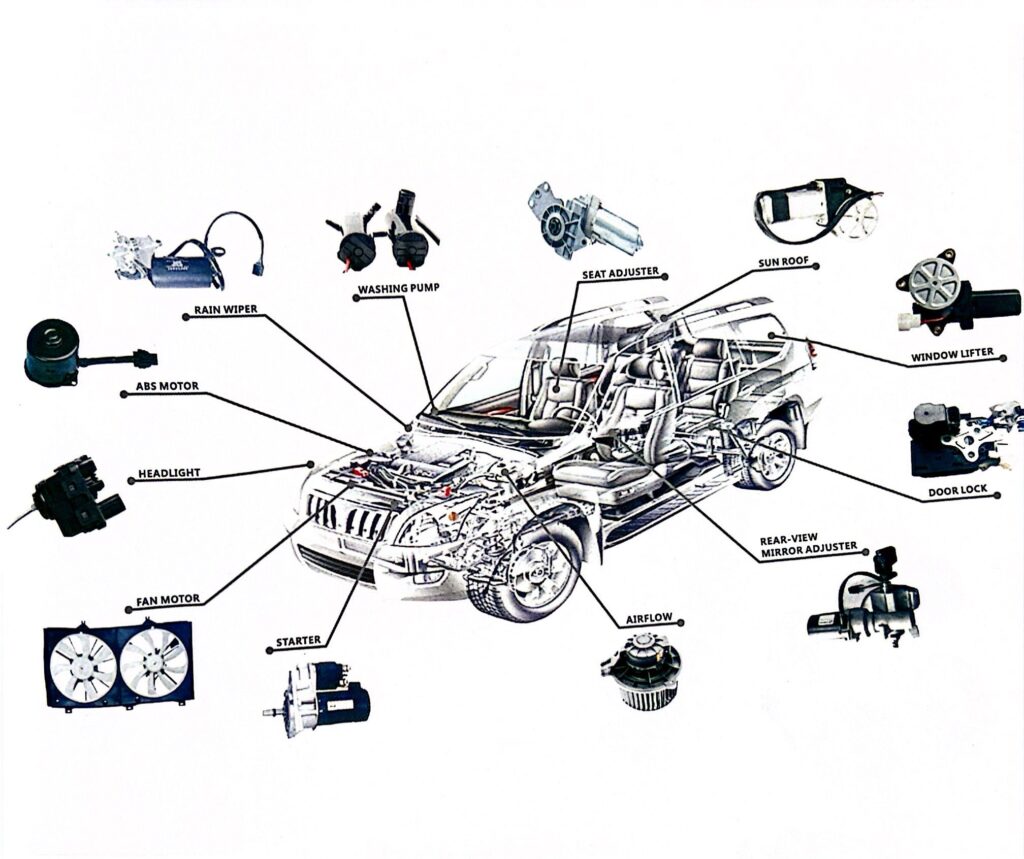
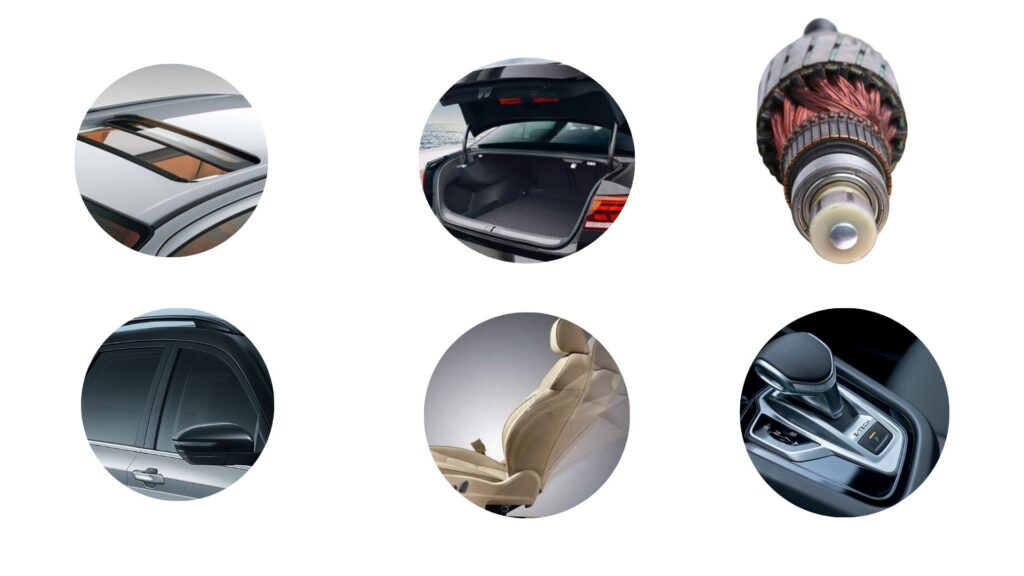
Magnets play a fundamental role in more sensitive and critical automotive components, such as ABS braking systems and automatic transmissions. These magnets are responsible for shifting gears and ensuring the proper functioning of position sensors, providing features such as secure parking and seat belt detection.
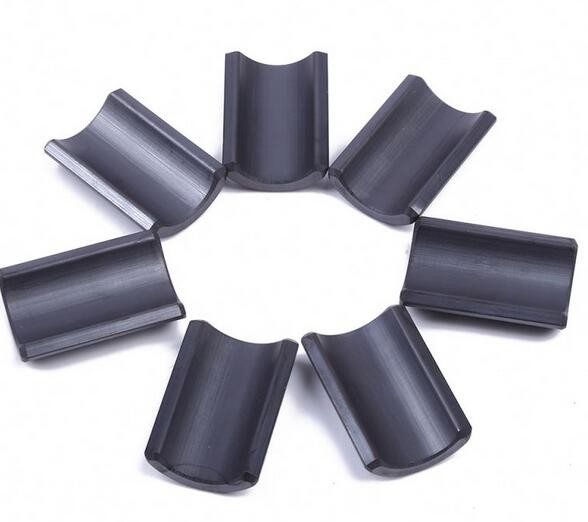
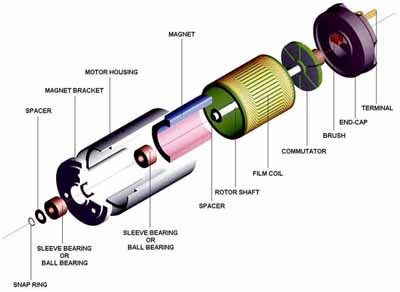
Ferrite magnets, also known as ceramic magnets, are made from ceramic materials and iron oxide, usually composed of SR06 (Fe2O3). They convert electrical energy into mechanical motion, mainly in electric motors. These motors incorporate magnetic coils that rotate thanks to powerful magnets. When an electric current is applied to the coil, it creates a magnetic field emitted by the magnets, thus causing the coil to rotate and, consequently, the movement of the vehicle’s wheels thus allowing it to move.
Ferrite magnets, although they do not offer the same adhesive strength as neodymium (rare earth) magnets, are able to withstand higher temperatures, up to 250°C. Their ease of magnetization and resistance to demagnetization due to external fields are notable characteristics.
In addition, their corrosion resistance without the need for additional coatings makes them particularly attractive for many applications, especially in engines. Finally, their lower production cost than rare earth magnets, such as neodymium, makes them economically advantageous for a variety of applications, including automotive.
To provide the best experiences, we use technologies such as cookies to store and/or access device information. Consenting to these technologies will allow us to process data such as browsing behavior or unique IDs on this site. Withholding consent or withdrawing consent may have a negative effect on certain features and functions